
Introduction to Character Design in 3D
Character design lies at the heart of storytelling in visual media. Whether in films, games, or animation, characters are the emotional anchors that connect audiences to the narrative. In 3D art, character design goes beyond appearance—it encompasses anatomy, movement, personality, and emotion. Creating a believable and memorable 3D character requires a deep understanding of artistic principles, technical processes, and psychological insight. This article explores the fundamentals of 3D character design, offering a comprehensive look at how artists bring digital beings to life.
The Purpose and Power of Character Design
Every great story is driven by its characters. They embody the themes, tone, and message of the narrative. In 3D art, the purpose of character design is to create figures that are not only visually appealing but also emotionally resonant. A well-designed character instantly communicates personality, background, and intent through silhouette, posture, and expression. Whether it’s a heroic warrior, a quirky robot, or a mysterious alien, effective design ensures that the audience connects with them instantly and remembers them long after the story ends.
Understanding Anatomy and Proportion
A solid grasp of anatomy is fundamental for creating believable characters. Even stylized designs must be grounded in a clear understanding of how the human or creature body works. Artists study skeletal structure, muscle groups, and how joints move to ensure natural poses and animation. Proportions are equally important—realistic characters follow human anatomy, while stylized ones exaggerate proportions for expressive or thematic reasons. The key is consistency: once proportions are established, they must remain coherent throughout modeling and animation.
Concept Development and Ideation
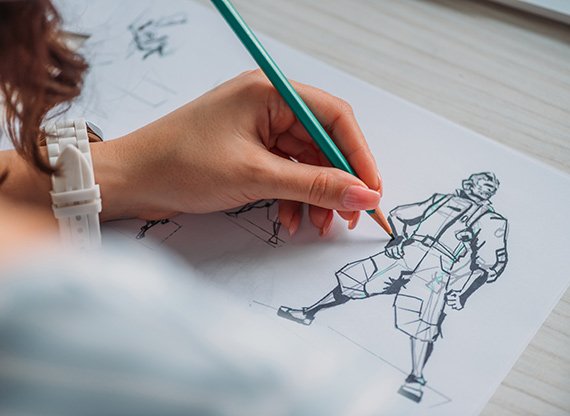
Before sculpting begins, character design starts with an idea. Artists explore concepts through sketches, mood boards, and visual references. This stage defines who the character is—their personality, role, and story significance. Questions like “What motivates this character?” and “What emotions should they evoke?” guide design decisions. Visual storytelling plays a major role: clothing, accessories, and color choices all contribute to characterization. Strong concepts blend originality with familiarity, ensuring the character feels fresh yet relatable.
Silhouette and Readability
A strong silhouette is one of the most critical aspects of character design. The silhouette should clearly communicate the character’s shape, posture, and attitude even without details. Iconic characters like Mario, Darth Vader, or Lara Croft are instantly recognizable by silhouette alone. In 3D design, this means maintaining clean shapes, distinct proportions, and readable poses. Artists test silhouettes from different angles to ensure consistency and clarity during animation and gameplay.
Personality and Expression
Character design is not just about form—it’s about personality. Every visual element, from facial features to stance, conveys emotion and behavior. Subtle details like asymmetry, texture variation, and gesture add realism and depth. Facial rigging and blend shapes allow animators to bring characters to life through expression. The design should reflect inner traits—confidence might show through upright posture, while shyness might appear in closed-off body language. The goal is to make viewers believe that the character has a soul and story of their own.
Costume and Accessories Design
Clothing and accessories reveal culture, occupation, and personality. In 3D character design, costumes must be functional, narrative-driven, and visually cohesive. Historical characters might wear layered garments with intricate stitching, while futuristic heroes may sport sleek, tech-inspired suits. Artists use reference research to ensure authenticity, studying fabrics, patterns, and real-world fashion. Accessories such as jewelry, weapons, or gadgets can serve as storytelling symbols that reinforce a character’s identity or journey.
Color Theory in Character Design
Color communicates emotion and psychology. Warm colors like red and yellow suggest energy, passion, or aggression, while cool tones like blue and green convey calmness, intelligence, or mystery. Neutral tones ground the design and balance contrast. In 3D characters, color must harmonize with lighting and texture to maintain believability. Designers often use color schemes strategically—heroes may wear complementary hues to stand out, while villains often use contrasting or desaturated palettes to evoke unease.
Sculpting the Character in 3D
Once the concept is approved, the 3D sculpting process begins. Software like ZBrush, Blender, or Mudbox allows artists to digitally sculpt characters as if working with virtual clay. This stage focuses on form, anatomy, and surface details. Artists start with a base mesh, blocking out proportions before refining features. High-resolution sculpting adds wrinkles, pores, and fine textures. A balance between realism and stylization is maintained depending on the project’s art direction. Sculpting captures the physical presence and tactile qualities of the character.
Retopology and Mesh Optimization
High-resolution sculpts are too dense for animation or game engines. Retopology simplifies the mesh while preserving detail, creating an efficient structure for deformation. Artists manually redraw topology to ensure proper edge flow around joints, eyes, and the mouth. Clean topology ensures smooth animation and efficient rendering. Tools like TopoGun, Maya’s Quad Draw, or Blender’s RetopoFlow streamline this process. Proper topology is both an art and science—balancing performance with fidelity.
UV Mapping and Texturing
Once the mesh is finalized, it must be unwrapped into 2D space for texturing. UV mapping defines how textures wrap around the model. Artists organize UV islands logically to minimize distortion. Texturing then adds color, material, and surface detail. Tools like Substance Painter, Mari, or Quixel Mixer allow artists to paint directly on 3D models, applying layers of color, dirt, scratches, and fabric detail. PBR workflows ensure materials react realistically under lighting. The combination of texture maps—diffuse, normal, roughness, and metallic—creates visual richness and realism.
Rigging and Skinning
Rigging is the process of creating a skeleton that controls the 3D model’s movement. Each bone is assigned to specific parts of the mesh through a process called skinning. Proper weight painting ensures smooth deformation during animation. Facial rigging adds complexity, enabling subtle expressions through blend shapes or bone controllers. A well-rigged character maintains the illusion of flesh and muscle, moving naturally whether in combat, dialogue, or idle animation.
Animation and Performance
Animation brings the character to life. The animator’s craft lies in translating emotion and intent through motion. Principles of animation such as timing, anticipation, and exaggeration guide this process. In games and films, motion capture enhances realism, while hand-keyed animation allows for stylistic control. The character’s performance must align with their personality—graceful for a dancer, heavy and grounded for a warrior. Animation transforms static models into dynamic, believable beings.
Lighting and Rendering the Character
Lighting dramatically influences how a character is perceived. Studio lighting setups emphasize form and texture, while environmental lighting integrates the character into a scene. Rendering engines like Arnold, Redshift, or Unreal Engine produce photorealistic results with accurate reflections and subsurface scattering. Post-processing adjustments such as color grading, depth of field, and bloom enhance visual impact. Consistent lighting showcases the design’s strengths and complements the intended atmosphere.
Stylized vs. Realistic Character Design
3D character design spans a spectrum from stylized to hyper-realistic. Stylized designs prioritize shape language, exaggeration, and visual clarity. They work well in animated films and games where personality takes precedence over realism. Realistic characters, on the other hand, require meticulous attention to anatomy, materials, and motion to avoid the uncanny valley effect. The choice depends on narrative context—stylization amplifies expression, while realism deepens immersion.
The Psychology of Character Design
Successful characters connect on a psychological level. Designers use archetypes—hero, mentor, trickster, villain—to resonate with universal human emotions. Proportion, symmetry, and expression all influence how viewers perceive a character’s trustworthiness, strength, or vulnerability. For instance, round shapes often evoke friendliness, while sharp angles suggest aggression. Understanding visual psychology allows artists to design characters that communicate subconsciously and instantly.
Diversity and Inclusivity in Character Design
Modern 3D character design embraces diversity in appearance, culture, and identity. Representation matters—authentic portrayals enrich storytelling and connect with broader audiences. Artists research cultural details, body types, and fashion to avoid stereotypes. Inclusivity also extends to designing characters with disabilities or nontraditional features, expanding what is considered beautiful or heroic. Diversity enhances realism and fosters empathy in digital worlds.
Character Design for Games vs. Film
While both mediums rely on strong character design, their technical demands differ. In films, characters are often rendered with extremely high detail since every frame is pre-rendered. In games, characters must perform in real-time, requiring optimized models and efficient materials. Game characters need to maintain appeal from multiple camera angles and interact dynamically with environments. Designers tailor polycount, textures, and rig complexity based on platform performance and artistic goals.
Collaboration in the Character Pipeline
Character design is a collaborative process involving concept artists, modelers, riggers, texture artists, and animators. Effective communication ensures consistency from concept to final render. Teams use production tools like version control and project management software to synchronize workflows. Regular reviews and feedback sessions maintain quality and creative alignment. Collaboration transforms individual craftsmanship into cohesive, living characters that serve the story.
The Future of 3D Character Design
The future of character design is shaped by emerging technologies like AI, procedural modeling, and real-time rendering. AI-driven tools can generate facial expressions, automate rigging, or even suggest design variations based on emotion or theme. Real-time engines enable instant iteration and interactive previews. Virtual humans and digital doubles are becoming indistinguishable from real actors. As technology evolves, the boundary between imagination and reality continues to blur, offering new creative possibilities for character artists.
Conclusion
3D character design is a fusion of art, anatomy, psychology, and technology. It demands both creativity and precision—a balance between imagination and realism. Great characters transcend polygons and textures; they embody emotion, story, and identity. From concept sketches to final renders, every step contributes to breathing life into digital beings. In mastering character design, artists become storytellers—crafting figures that inspire empathy, wonder, and connection across cultures and generations.
This article provides a comprehensive exploration of 3D character design fundamentals, guiding artists toward creating believable, expressive, and unforgettable characters in the world of digital art.
