
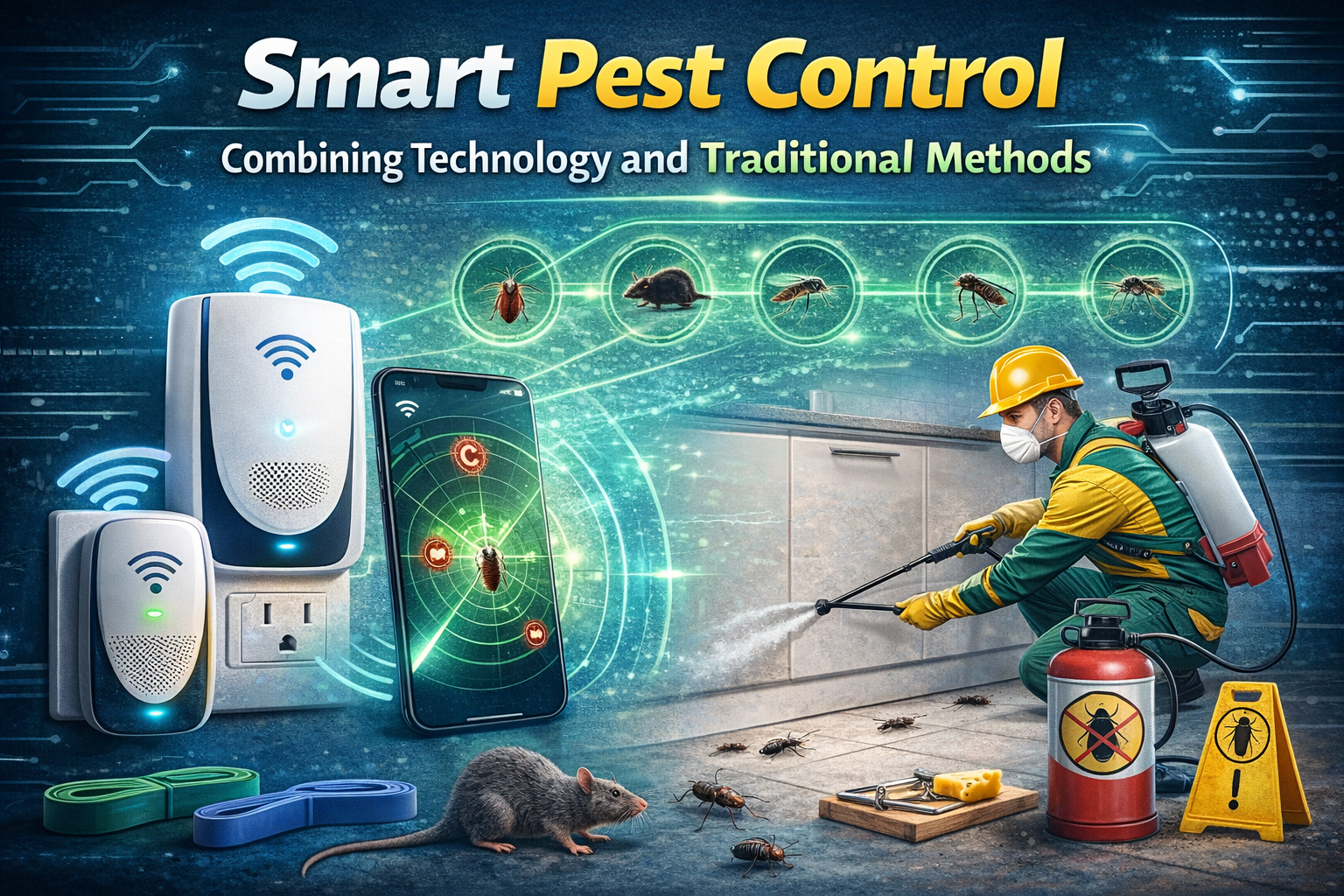
Pest control has come a long way from relying solely on sprays, traps, and manual inspections. Today, homeowners and professionals are turning to smart pest control solutions that combine modern technology with traditional methods for more effective and efficient results. By integrating sensors, monitoring devices, and data-driven strategies with tried-and-true practices, it’s possible to prevent infestations, reduce damage, and maintain a healthier home environment with less effort. Understanding how technology and traditional techniques work together can help you stay one step ahead of pests.
At the heart of smart pest control is early detection. Technology enables homeowners to monitor pest activity continuously, even when they are away. Smart sensors can detect movement, vibrations, or temperature changes that indicate the presence of rodents, termites, or other pests. For example, motion-sensitive cameras can capture images of intruding animals in attics or basements, while ultrasonic devices can deter rodents without harmful chemicals. Termite detection systems can monitor wood for structural damage or moisture accumulation, alerting homeowners before a colony causes significant destruction. Early detection allows for targeted intervention, which is often more effective and less costly than addressing a full-blown infestation.
Traditional pest control methods remain essential even in a high-tech approach. Proper home maintenance, cleanliness, and physical barriers are still the most reliable ways to prevent pests. Sealing cracks, trimming vegetation near the home, fixing leaks, and storing food securely all reduce opportunities for pests to enter and thrive. Traps and baits, when placed strategically, continue to be effective in controlling rodents, ants, and insects. The combination of these hands-on methods with technological monitoring ensures that you not only prevent pests but also respond quickly when activity is detected.
One of the most significant advantages of smart pest control is data-driven decision-making. Modern systems can track patterns of pest activity over time, allowing homeowners or pest control professionals to predict outbreaks and identify vulnerable areas. For instance, a network of sensors might reveal that rodents are more active in a specific corner of the garage at night, or that ants frequently enter near a particular window. By understanding these patterns, interventions can be more precise, reducing the need for widespread pesticide use and making treatments safer for children, pets, and the environment.
Smart pest control also includes the use of mobile apps and alerts. Many monitoring devices connect to smartphones, providing real-time updates when potential infestations are detected. Homeowners can receive notifications about unusual movements, rodent droppings, or insect activity, and then take immediate action. This approach is particularly useful for vacation homes or properties that are not occupied full-time, as it ensures pests are addressed before they multiply. Apps often include maintenance reminders, seasonal tips, and instructions for eco-friendly treatments, combining technology with practical guidance for ongoing prevention.
Eco-friendly considerations are a major benefit of smart pest control. By focusing on monitoring and targeted treatments rather than widespread chemical sprays, homeowners can significantly reduce environmental impact. Smart devices help identify exactly where pests are active, allowing for localized interventions. Traditional chemical treatments can then be applied sparingly, or natural remedies like essential oils, diatomaceous earth, and traps can be used in combination. This integrated approach keeps the home safe while minimizing the use of potentially harmful substances.Visit online for shashel.eu more details.
Integrating technology does not replace the expertise of professional pest control services. Many companies now offer smart pest management systems that combine remote monitoring, regular inspections, and eco-friendly treatment strategies. Professionals can interpret sensor data, identify early signs of infestations that may be missed by homeowners, and implement preventive measures that combine both technological tools and conventional methods. This partnership ensures that pest control is proactive, precise, and safe for the household.
The traditional methods, such as sealing entry points, keeping food secure, and maintaining cleanliness, remain as relevant as ever. Technology amplifies the effectiveness of these actions by providing insights and alerts that guide homeowners toward the areas that need attention. For example, a smart sensor indicating termite activity in a wooden beam allows you to inspect that specific area and apply treatments only where necessary, rather than treating an entire room indiscriminately. Similarly, motion-activated lights or ultrasonic devices can complement physical barriers and traps to deter nocturnal pests effectively.
In addition to prevention and early detection, smart pest control enhances long-term maintenance. Continuous monitoring helps track the effectiveness of interventions, allowing adjustments to be made as needed. If pest activity decreases in response to certain measures, it confirms that the approach works; if activity persists, new strategies can be deployed promptly. This feedback loop optimizes both traditional and technological methods, ensuring ongoing protection and reducing the likelihood of costly damage.
Ultimately, smart pest control represents a shift from reactive to proactive management. By combining the reliability of traditional preventive practices with the precision and convenience of modern technology, homeowners can achieve a higher level of protection with fewer chemicals, less effort, and greater peace of mind. From early detection systems to data-driven insights, mobile alerts, and eco-friendly strategies, smart pest control allows you to safeguard your home and family while minimizing risk and environmental impact. Integrating technology into your pest management plan ensures that unwanted guests are identified and addressed before they become serious problems, keeping your home safe, clean, and comfortable year-round.
